
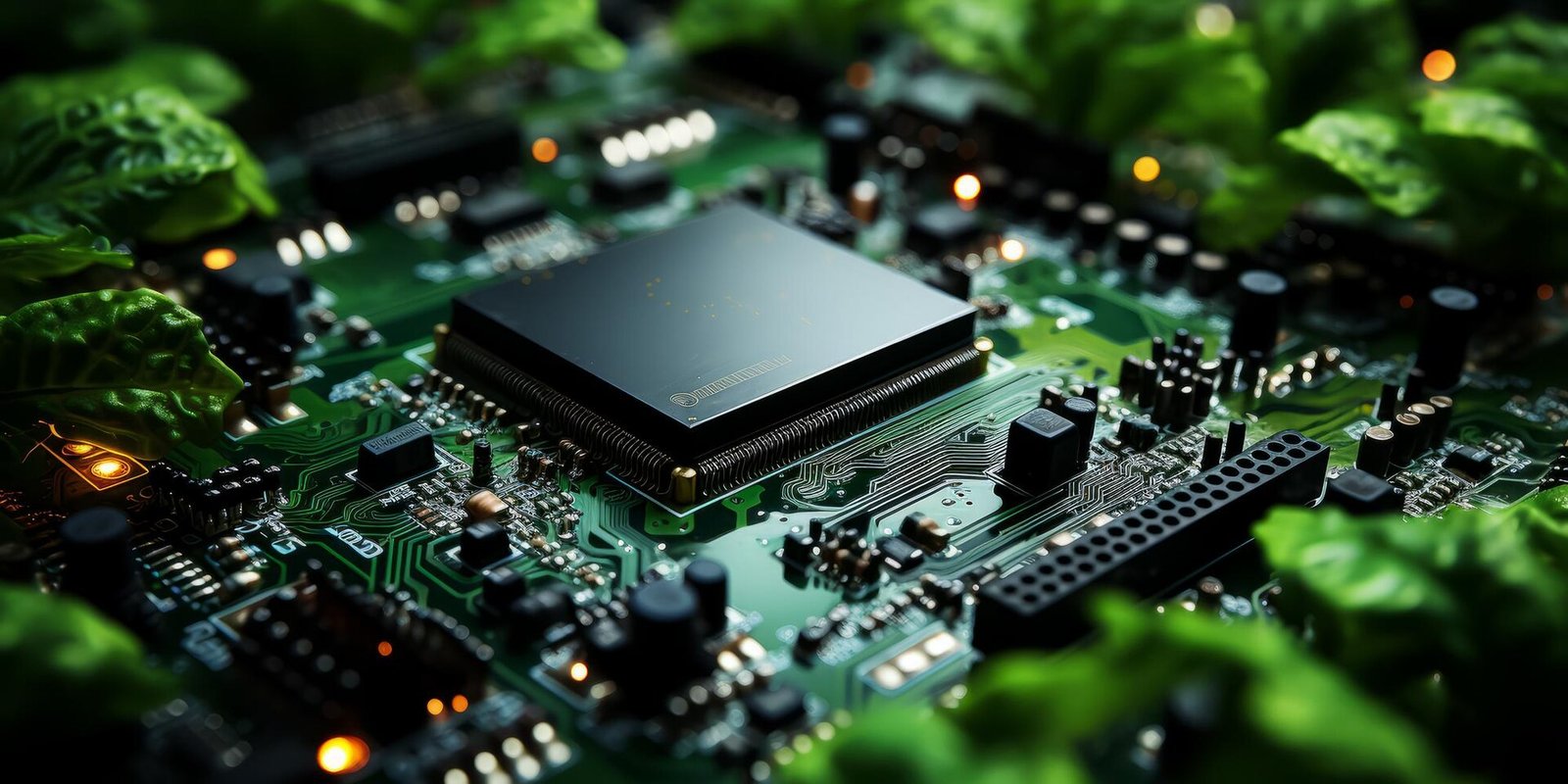
Reflow soldering is a widely used technique in electronics manufacturing for attaching surface-mount components to printed circuit boards (PCBs).

The preheating phase removes moisture from the PCB and components, preventing thermal shock during reflow. It also activates the flux in the solder paste.
This phase allows the entire assembly to reach a uniform temperature, ensuring that all components experience the same thermal conditions before reflow.
During this phase, the temperature is raised to the solder's melting point, causing it to flow and form a secure bond between the components and the PCB. Solder joints are created as the molten solder solidifies upon cooling.
After reflow, the assembly is gradually cooled to prevent thermal stress and ensure the integrity of the solder joints.
Reflow soldering involves the use of solder paste, which is a mixture of tiny solder particles and flux. Components are placed on the PCB using automated pick-and-place machines.
Solder paste is applied to the PCB using a stencil, which deposits the paste onto specific areas where components will be placed. The paste is a combination of small solder particles and flux, which aids in the soldering process.
The PCB with components and solder paste undergoes a carefully controlled heating process known as the reflow profile. The temperature profile typically includes preheating, a thermal soak, and a reflow phase with peak temperatures sufficient to melt the solder.
Precise and controlled process, suitable for high-density PCBs with small components. Automation-friendly, enabling high-volume production. Produces reliable, uniform solder joints.
Reflow soldering is widely used in the assembly of consumer electronics, computers, automotive electronics, and various other electronic devices.
Proper monitoring of the reflow process, including temperature profiles and solder paste inspection, is crucial for ensuring consistent and reliable solder joints.